|
|
|
|
|
|
|||
|
|
|
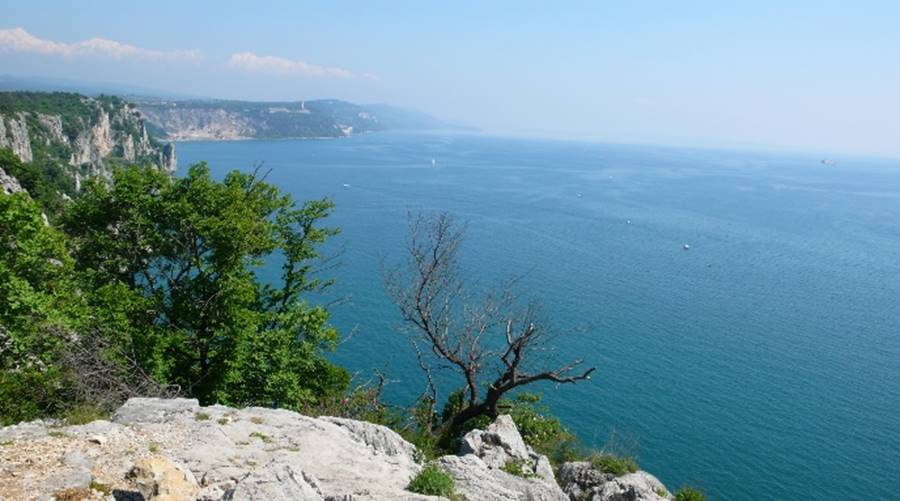
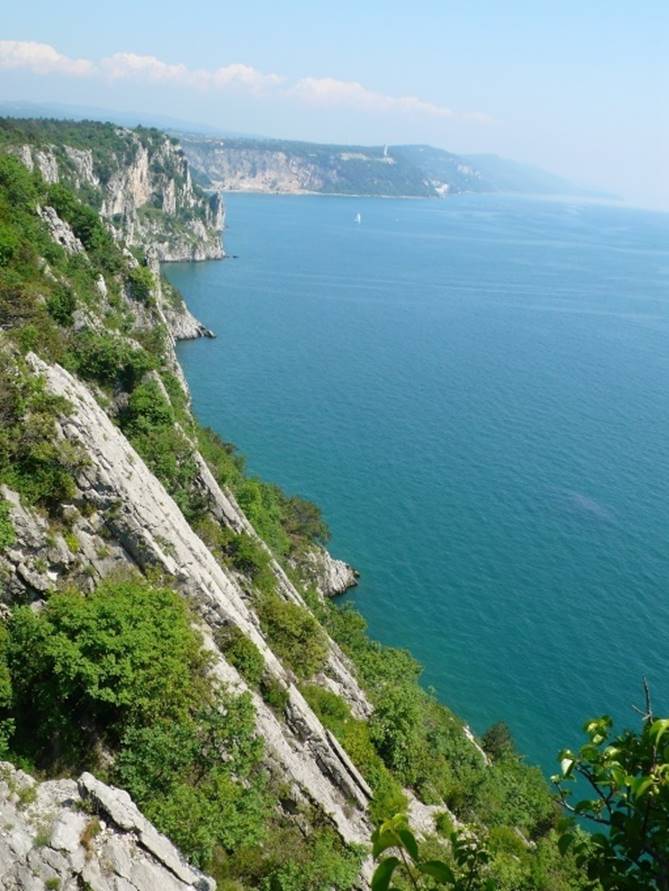
On these Carso cliffs dropping deep into a deep ocean, I couldn't hear ''Angelic Orders'' - My mind is filled up and ears brimming: Societies' order to follow conventions, Bosses' order to be productive (whatever is the profession), Parents' order to marry and have children, And children's order for ever devotion. But whose order to obey? How about that fountain springing from within? What does a single existence mean? Is it just to ensure the continuation of a species? And are we here only for saying a few objects like - ''house, bridge, gate, fruit tree, window, at most: column, tower...'' Thousands of pilgrims walk crossing the Alps each year to Maria Luggau in Austria. For what? And lovers speak soft words, consummate in violent passions. But even violence is fleeting. What stays is that Jazz from a damp corner of New Orleans's French Quarter - full of longing... Even those colorful Mardi Gras masks can't hide the big teardrop - flowing and stuck firmly on them. And who will give the final order? Had Virginia Woolf felt it from the River Ouse, when she loaded stones to her pockets? What did Nietzsche see from the sad eyes of the stallion, when he run to embrace it on a street in Turin? And what did Hemingway hear, when he turned those fingers for holding a pen? The Best of Youth, Matteo, closed his book with that swift move, leaving emptiness behind - mixing and stirring the emptiness of people cheering Happy New Year. And those who continue all develop some sort of self-deceiving devices, or simply fasten themselves in a web of relations. On the Rilke
path over the Adriatic, Nor had I heard the final order. But I wonder - If one day a voice arises from that unsettled gray matter of dark edges: ''Are you coming? '' Maybe with a sly smile from the white foams running wild in torrents, or disguised as a sweet fairy waving a red scarf from a green valley. Will I be able to say yes? But will there be an option to say no then? |
|
||||
|
|
|||||||
|
|
|||||||
|
|
|||||||
|
|
|
||||||
|
|
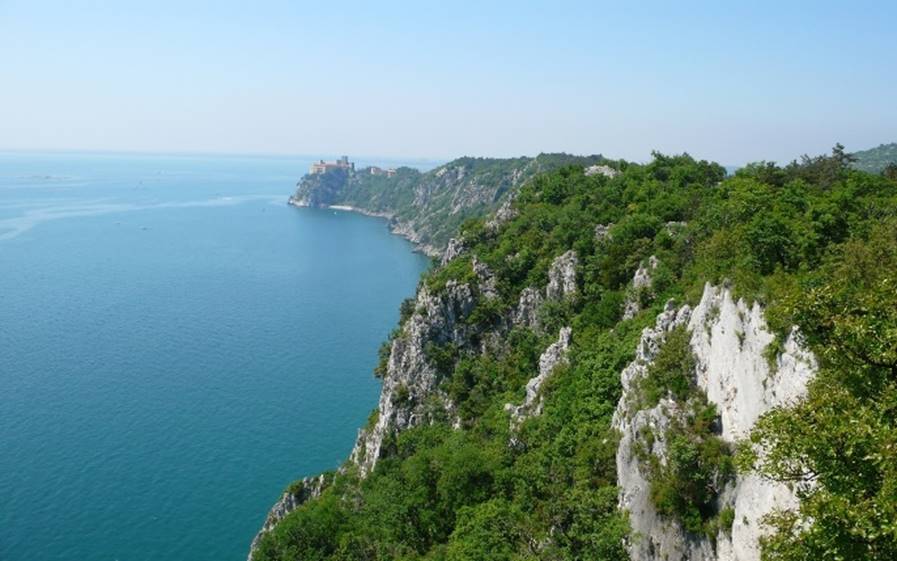
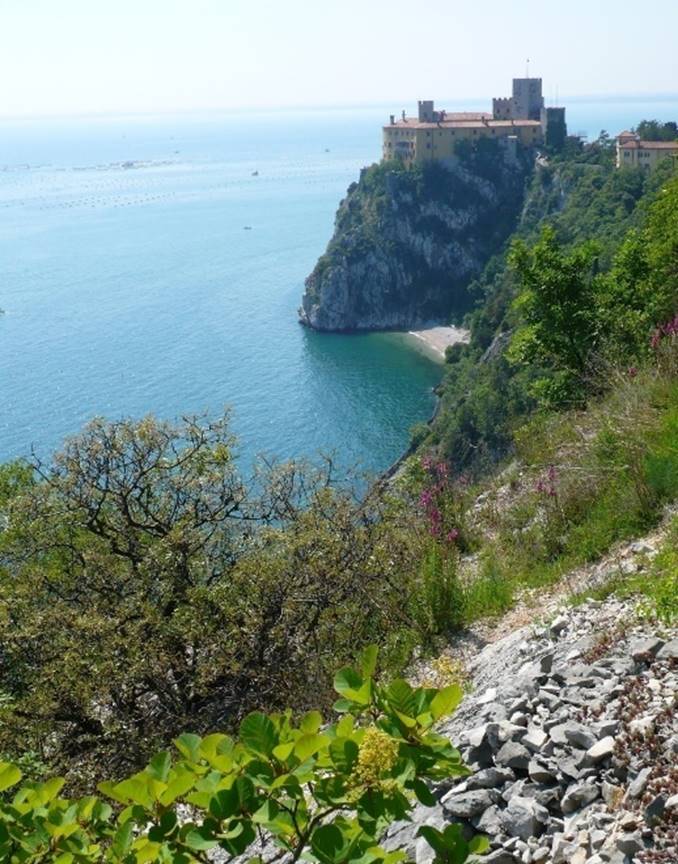
Note: It was when pacing on these cliffs that Rainer Rilke got the inspiration for his famous Duino Elegies. Duino is the name of the castle (photographed above) where he was a guest of Princess Marie von Thurn und Taxis-Hohenlohe in the winter of 1911-1912. Dante was said to have written parts of The Devine Comedy there. The view from the path is often described as breath-taking. However, one can't help feeling a kind of dropping weight, especially after reading Rilke's elegies. |
|
|||||